Doors
About This Game
A horror game where players navigate through rooms by going through doors while avoiding scary monsters. Very popular for its suspense.
Why Kids Love It:
The thrill of being scared in a safe environment is appealing. Solving puzzles and figuring out how to progress is satisfying.
Detailed Parent Guide
Doors is a horror experience on Roblox where your child may play with a wide range of ages and intentions. Parents should start by understanding both the core loop and the social layer: children enjoy this game because it creates clear short-term rewards, social momentum with friends, and frequent progression steps that feel meaningful. The first goal for parents is not just age check, but understanding why the child is engaged in that loop on a typical day.
A practical way to evaluate Doors is to break it into four checkpoints: mechanics, social dynamics, spending pressure, and communication habits. Mechanics include how wins and progression work, how often your child logs in, and what habits the game reinforces. Social dynamics include who they play with, whether chat is moderated, and how quickly unknown players can affect the experience. Spending pressure includes game passes, boosts, and collectible value signals. Communication habits include how your child talks about wins, failures, and who they trust during the game.
For many games, especially in the horror category, children stay longer when goals are visible and repeatable. They may describe this as "just one more round" or "I need to finish this task," which is normal in gaming and not automatically negative. From a parent perspective, that energy is useful: it can improve planning, teamwork, and persistence. The downside is momentum can turn into compulsive play if session boundaries are not clear. This is where a weekly plan with fixed play windows usually works better than one-time enforcement after problems appear.
Positive experiences in Doors can still be meaningful. Problem-solving and puzzle skills Cooperative play with friends helps manage fear Overcoming fears in a safe environment Keep those strengths in mind during conversations. Children who can explain these positives are usually easier to guide: they can describe not only what is fun, but what behavior was rewarded and why they keep returning. That opens a practical conversation about balance. A common parent method is to mirror their enthusiasm first, then add one boundary at a time: "I like how much you can plan and build in this game, and I want to keep it safe by doing this one extra step at the start of each session."
Safety is most visible when trust breaks or when risk cues escalate quickly. For Doors, the signs to monitor include these red flags: Genuinely scary monsters and jump scares Dark atmosphere may be too intense for some kids May cause nightmares in younger children. If any one appears repeatedly, run a short chat check and review settings before the next session. The objective is prevention, not punishment: parents should keep game time fun while making boundaries predictable. This lowers emotional conflict and helps your child remember rules during peak emotions rather than only during calm moments.
For spending and commerce, Doors should be treated as an educational space: discuss expected value, scarcity marketing, and whether an item is worth the trade-off for your household budget. Bring up three checks before purchases: who approved it, where value is coming from, and what happens after spending. If your child understands these checks, they are better prepared for future online marketplaces. Even in harmless games, this builds financial literacy without over-policing every choice.
Conversation structure matters as much as settings. Use prompts tied to existing play: Is the game too scary? Do you want to stop playing? How do you and your friends work together to survive? What's your strategy for dealing with the monsters?. Good parent conversations focus on process, not accusation. Ask one question at a time and document one recurring change each week: chat limits, privacy settings, spending checks, or break times. When your child helps shape these rules, compliance improves and trust stays stronger.
Roblox settings remain part of your guidebook. Consider whether horror content is appropriate Play with child to assess their comfort level. Review these before launch and revisit monthly as games evolve quickly. Doors can become safer and more enjoyable when adults keep up with update-level changes and help the child distinguish hype from healthy play. A final rule that works well is: new feature, new check-in. If the game changes significantly, have a short 5-minute safety reset before allowing another long session.
Common scam patterns to stay alert for in this game include: Watch for requests to move conversations to Discord, Snapchat, Instagram, or any off-platform channel. | Watch for suspicious trade promises, false time-limited item sales, and pressure-to-buy language in-game. | Watch for friend requests from unknown players who are pushing items, Robux, or password sharing. | Watch for emotional pressure language that encourages your child to ignore normal safety boundaries.. Use screenshot evidence when reporting suspicious behavior and pair reporting with a calm debrief afterward. This is a teachable moment: scams are not personal failure, but a digital safety lesson. Reinforce that mature players verify independently and ask for help before sending trade info, account details, or external links.
What Parents Should Know
- Genuinely scary monsters and jump scares
- Dark atmosphere may be too intense for some kids
- May cause nightmares in younger children
How to Get Started
- 1.Create a Roblox account or sign in with an existing one and confirm age-appropriate account controls are active for your child.
- 2.Open Doors from the Roblox homepage and review the in-game instructions before playing.
- 3.Start with one short session (20-30 minutes) so your child can explain what they are building, collecting, or solving in the game.
- 4.If Doors has voice or text chat, open the chat permissions first and set limits that match your household plan.
- 5.Set clear expectations before each session: what behavior is okay, when to take breaks, and how to report anything uncomfortable.
Common Scams in This Game
- •Watch for requests to move conversations to Discord, Snapchat, Instagram, or any off-platform channel.
- •Watch for suspicious trade promises, false time-limited item sales, and pressure-to-buy language in-game.
- •Watch for friend requests from unknown players who are pushing items, Robux, or password sharing.
- •Watch for emotional pressure language that encourages your child to ignore normal safety boundaries.
Screenshots / Visual Guide
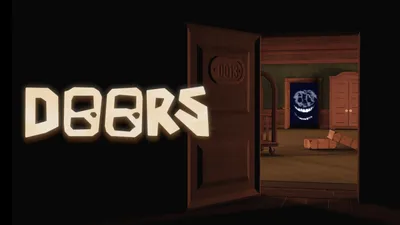
Screenshot style reference for identification and discussion
Usage note: Used under Roblox community-friendly educational use with screenshot attribution.
Positive Aspects
- Problem-solving and puzzle skills
- Cooperative play with friends helps manage fear
- Overcoming fears in a safe environment
Questions to Ask Your Kid
Use these conversation starters to better understand your child's experience:
- 1Is the game too scary? Do you want to stop playing?
- 2How do you and your friends work together to survive?
- 3What's your strategy for dealing with the monsters?
Roblox Settings to Check
- •Consider whether horror content is appropriate
- •Play with child to assess their comfort level